What Dubai and Saudi Arabia teach us about connected records
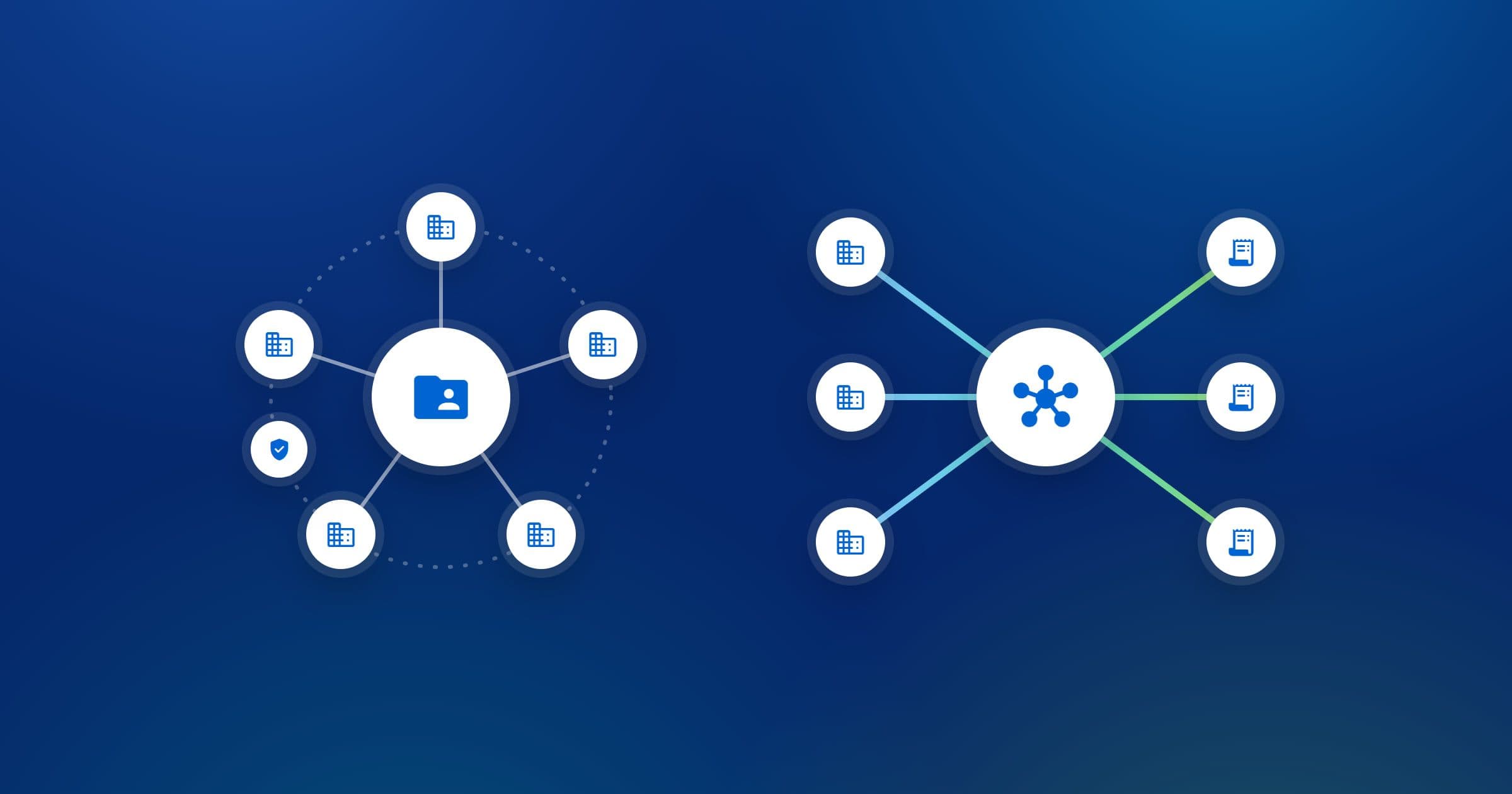
The region has two government models worth learning from. What NABIDH and NPHIES do, what their published rules say, and three lessons for connected records.
The latest on digital healthcare, medical innovation, and patient-first care

The region has two government models worth learning from. What NABIDH and NPHIES do, what their published rules say, and three lessons for connected records.

How to report a medicine side effect to the Egyptian Pharmacovigilance Center at the Egyptian Drug Authority: the online form, what to write down, what happens next and who can report, from the Authority’s own pages and documents.

The Ministry’s free compulsory schedule for children runs from birth to 18 months. This guide sets it out age by age, separates it from the extra vaccines, and says where to go and what the Ministry said about a late dose.

The HbA1c cut-offs in % and mmol/mol from the ADA's Standards of Care 2026 and the NIDDK, side by side, with what changes how the number reads, the target if you already have diabetes, Egypt's screening initiative, and the questions to ask your doctor.

A patient who travels for treatment faces a non-medical problem: paperwork. What to take, what to ask before you go, and how to bring the file home again.

As of 23 October 2026 the Egyptian Drug Authority says, in press reports of its 14 October statement, that no official decision to raise medicine prices has been issued. A trade-body official was reported describing a study of 40 items. This page keeps the two apart, says who sets prices, and gives the next re-check date.

WHO writes its antenatal schedule in weeks, with a minimum of eight contacts. Egypt’s Ministry of Health lists at least five examinations at primary-care units. The visit table by trimester, which scans and tests WHO marks, where care is given in Egypt, what to bring, and the warning signs that mean going to the emergency department now.

Four lines to leave every visit with, a table of what to ask about for diabetes, high blood pressure and an underactive thyroid, what Egypt’s chronic-disease screening initiative checks, and a plan you can write on the page.

You do not need to wait for a national system. You can start with a folder: what goes in it, how to keep it current, and what to ask before you hand it over.

Dated figures for the Bundibugyo Ebola outbreak in DR Congo, what Egypt’s Ministry of Health and Population said in May 2026, and what WHO says about spread and symptoms, each with its source and the date it was read.

Where the Egyptian Drug Authority posts its withdrawal and commercial-fraud circulars, how to compare the batch number and expiry date on your pack with them, how to check registration, and who to tell, from the Authority’s own pages.

Fasting is not needed for every blood test. A table of common tests, what MedlinePlus, the CDC and NIDDK say about each, and the questions to ask your lab. Your lab’s own sheet decides.